5 Things Your Home Routine Is Doing to Your Skin and How a K-Beauty Facial Reverses Them
You’re doing the work. You’ve researched the ingredients. You patch-test before committing. You layer in the right order or at least, the order the internet told you was right.
And your skin is still tight. Still dull. Still reacting to things it never used to. This isn’t a motivation problem. It’s a calibration problem. And in Denver’s climate specifically, it’s one we see in the treatment room more than almost any other pattern.
Many people try everything such as products, routines, layering strategies and still feel like it’s doing nothing. What looks like a product problem is usually a barrier problem. Your skin’s outermost layer has been stripped of its protective oils and can’t defend itself against the climate.
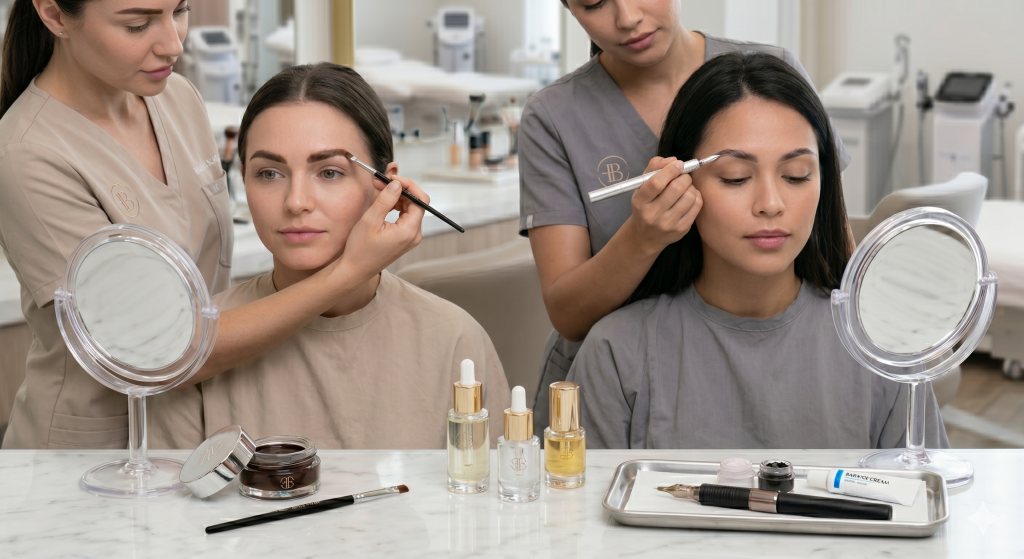
At Pur Artistry in LoHi, the first thing we do before any K-beauty facial is a skin analysis, reading what the skin is actually presenting, not what the client’s routine suggests it should be. What we see most often isn’t a lack of effort. It’s a set of specific routine habits that make perfect sense on paper but quietly undermine the barrier in Denver’s conditions.
Here are the five we reverse most often.
Mistake 1: You're Over-Exfoliating and Denver Is Making It Worse
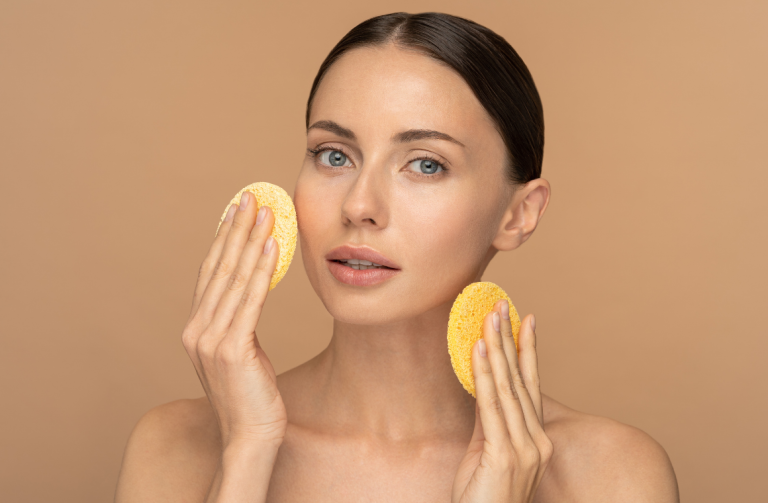
Exfoliation makes sense. Remove dead cells, allow product absorption, encourage turnover. The problem is when it becomes cumulative without recovery time.
The most common cause of over-exfoliation isn’t a single strong product, it’s the combination of several active ingredients used together. Up to 70% of skin problems such as redness, dryness, and acne can be caused by over-exfoliation rather than under-exfoliation.
One of the earliest signs is sensitivity that feels out of character. Products you’ve used for months, sometimes years may suddenly sting or feel uncomfortable. Over-exfoliated skin can feel tight even after moisturizing, as though nothing is quite enough to restore comfort.
Denver accelerates this. The air at high elevation is typically drier, stripping skin of natural oils. Low humidity diminishes the skin’s capacity to retain moisture, intensifying symptoms of dryness and making a compromised barrier harder to recover from.
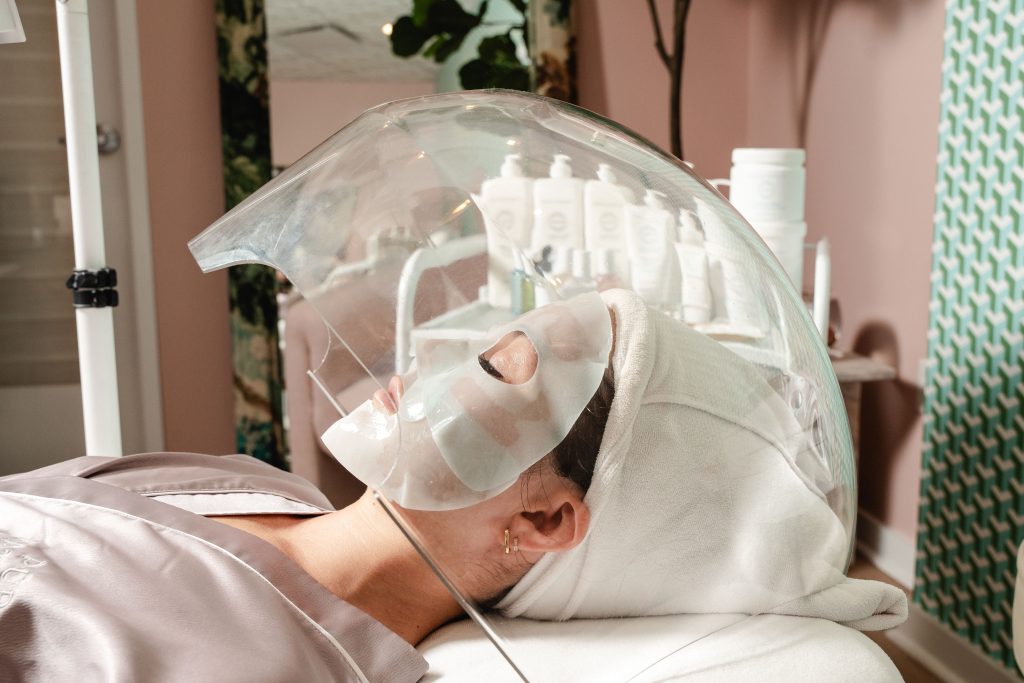
What a K-beauty facial does: Our assessment identifies the level of barrier compromise before we touch anything. If over-exfoliation is the pattern, we strip the session back, no exfoliation, no activities. Pure barrier repair: ceramides, panthenol, centella asiatica, and a long-dwell calming mask that gives the skin what it’s been trying to get from a routine that’s been working against it. The Pur Zen Facial is specifically built for this recovery pattern.
Read Also: K-Beauty Facial Ingredients & Technique: The Science Behind Glass Skin
Mistake 2: You're Layering Actives That Cancel Each Other Out
The LoHi wellness community runs sophisticated routines. Retinol. Vitamin C. Niacinamide. AHAs. BHAs. Peptides. All individually valuable. Stacked incorrectly, they either neutralize each other or push the barrier past its tolerance.
Mixing combinations like AHAs with retinoids, Vitamin C with exfoliating toners, or at-home acid peels with physical scrubs can quickly weaken and thin the skin barrier. Over-exfoliation from ingredient stacking causes breakouts, redness, and long-term sensitivity, precisely the problems most people were trying to fix.
The issue isn’t the ingredients. It’s the assumption that more activity equals better results. In Denver, where the baseline barrier stress is already high, the tolerance for concurrent activities is lower than in humid climates.
What a K-beauty facial does: K-beauty isn’t additive skincare, it’s intentional sequencing. At Pur Artistry, we apply one to three targeted serums in a specific molecular-weight order, only after cleansing and assessment. The question isn’t “what else can we add?” It’s “what does this specific skin need right now?” Most clients who come in with stacking-related damage leave with a simpler protocol than they arrived with and skin that responds better because of it.
Mistake 3: Your Cleanser Is Stripping More Than It's Cleaning
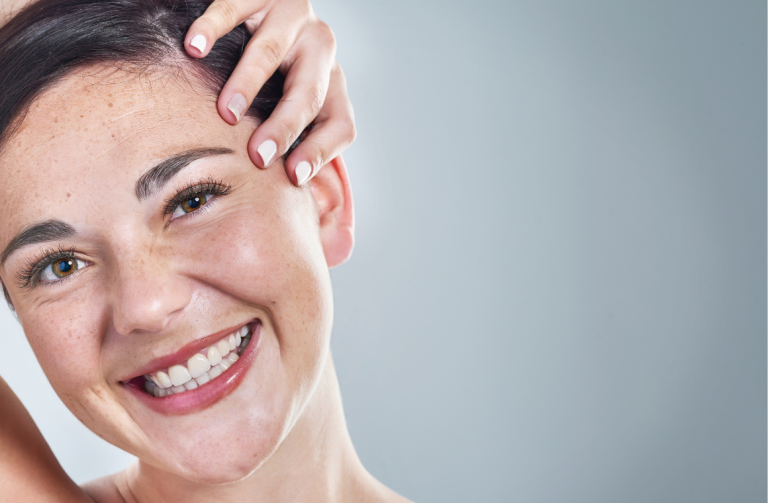
Foaming cleansers, gel cleansers, and anything that leaves skin feeling “squeaky clean” is disrupting your skin barrier right at the start of your routine, the opposite of what stripped, dry, climate-stressed skin needs.
The “clean” feeling after a foaming cleanser is the feeling of the barrier being disrupted. At sea level with normal humidity, the skin can recover. At 5,280 feet with 30% humidity, moisture escapes more easily from the skin, and dry air keeps pulling hydration out even when your routine looks solid on paper. A stripping cleanser at the start of the sequence makes every product that follows less effective, because it’s being applied to a compromised foundation.
What a K-beauty facial does: We double-cleanse with a cream or oil cleanser first dissolving without disrupting, followed by a gentle water-based cleanser. The goal is removing what needs to come off without touching the lipid layer that holds moisture in. For most clients switching from a foaming cleanser to this method, the difference in post-cleanse skin feel is immediate. We also help clients identify which step in their home routine is causing the most disruption, because the cleanser is usually it.
Read Also: The Best Korean Facial Spa Treatments to Try for Glowing, Healthy Skin
Mistake 4: Your Layering Order Is Working Against Absorption
You’ve heard “thinnest to thickest.” But the correct layering order is more specific than that, it’s about pH windows, moisture sequencing, and timing between steps.
Applying a hyaluronic acid serum to dry skin in Denver, for example, doesn’t hydrate. In dry conditions, skin does not draw moisture from the air, it draws it from deeper layers and then loses it. Hyaluronic acid applied to a dry surface in a low-humidity environment can actually pull moisture upward and allow it to evaporate faster. Applied correctly to damp skin, immediately sealed, it behaves completely differently.
Vitamin C needs a low-pH environment to activate. Niacinamide applied before certain acids can interfere with both. Retinol on a freshly exfoliated barrier is a different load than retinol on recovered skin. The order matters beyond thickness.
What a K-beauty facial does: Sequencing is the foundation of K-beauty protocol. At Pur Artistry, every layer is applied with an understanding of what it needs to be effective and what the layer before it has created. The essence step, often skipped in Western routines, exists specifically to prime absorption before serums. What we do in a single session teaches clients more about layering mechanics than most online guides because they feel the difference in real time.
Mistake 5: You're Skipping SPF and Denver's Altitude Is Not Forgiving
The sun’s UV intensity increases approximately 4% per thousand feet of elevation. In Denver, that translates to roughly 20% more intense UV exposure than at sea-level locations of similar latitude.
Skipping SPF or applying it inconsistently is the single routine gap that undoes the most work. UV exposure at altitude accelerates transepidermal water loss, breaks down collagen faster, and stresses the barrier in ways that show up as dullness, sensitivity, and premature texture. Sunscreen should be part of your skincare routine all year round in Colorado, not just summer.
SPF also has a sequencing component most people get wrong: it goes last in the morning routine, over moisturizer, and needs 10–15 minutes to fully bind to the skin before sun exposure. Applying it and immediately going outside reduces its efficacy significantly.
What a K-beauty facial does: The K-Glow Facial addresses existing UV-related dullness and texture through gentle exfoliation, circulation-stimulating massage, and LED light therapy that supports cell renewal at a deeper level. But more practically, we have this conversation with every client. SPF is non-negotiable in Denver. We recommend specific formulations that sit well under makeup, don’t pill over moisturizer, and account for the altitude load this city puts on skin daily.
Read Also: Bye-Bye Beauty Filters: Best Korean Facial Treatment Trends You Need to Try at Pur Artistry!
What a K-Beauty Facial Actually Recalibrates
The five mistakes above aren’t careless. They’re what happens when a routine built on good information meets a climate it wasn’t designed for.
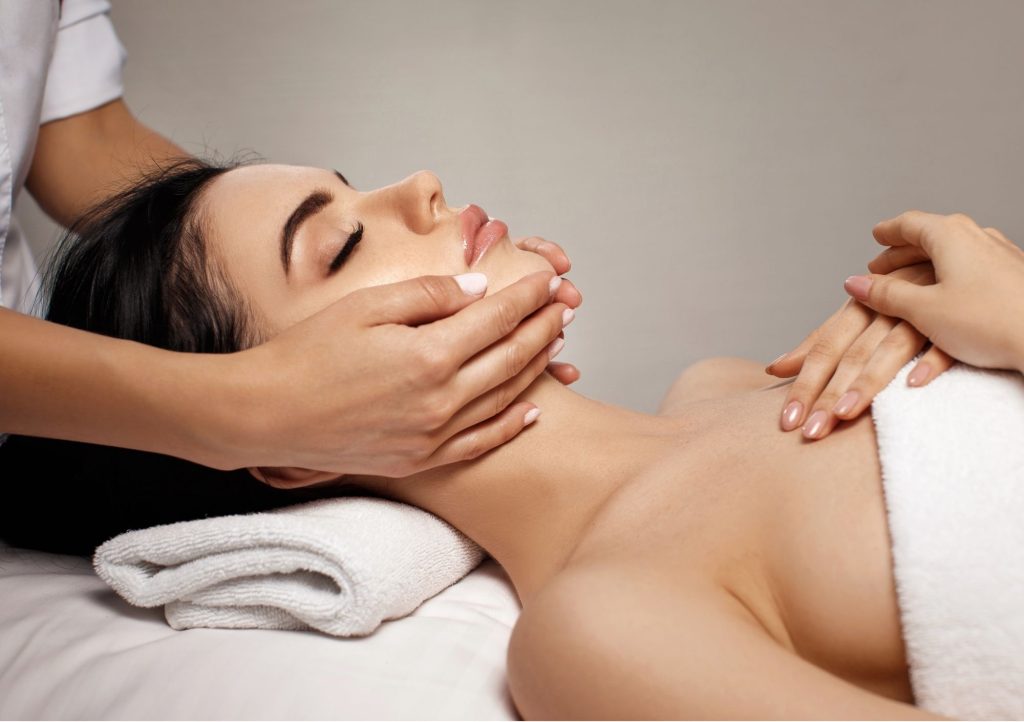
A K-beauty facial at Pur Artistry in LoHi isn’t a treatment that corrects one problem. It’s a recalibration, a session that reads what the cumulative effect of your routine has produced and responds to it precisely. We’re not undoing your effort. We’re giving it a baseline to work from.
Most clients who come in frustrated with a routine that used to work leave with a clearer picture of what their skin actually needs and a treatment that’s given it a reset.
That’s the difference between a K-beauty facial as a service and as a practice. At Pur Artistry, it’s the latter.
Book Your K-Beauty Facial at Pur Artistry LoHi, tell us what your routine looks like when you book, it helps us prepare the right recalibration before you arrive.
FAQs
The most common signs are skin that feels tight even after moisturizing, products that used to work now stinging on application, redness that wasn’t there before, and breakouts in a skin type that doesn’t usually break out. In Denver’s dry climate, these symptoms appear faster than in humid cities because the barrier has less environmental support. If you’re using AHAs, BHAs, retinol, or physical exfoliants more than two to three times a week, over-exfoliation is worth considering before adding anything new to your routine.
It can begin the recalibration. A single session won’t undo weeks of barrier damage, but it creates the conditions for recovery: genuine deep cleansing, targeted barrier-repair ingredients applied in the right sequence, and a calming environment that lets the nervous system and the skin actually settle. Most clients notice an immediate improvement in feel and texture. Deeper recovery, particularly from chronic over-exfoliation, takes consistent monthly sessions.
It depends on what we see in the skin analysis. The Pur Zen Facial is built specifically for reactive, sensitive, or compromised skin, it skips exfoliation and focuses entirely on barrier repair and calming. The K-Glow Facial is appropriate for skin that’s balanced enough for gentle exfoliation and benefits from the brightening and circulation-stimulating steps. We determine which is right after looking at your skin, not before.
More activities on a compromised barrier create more irritation, not more improvement. The skin’s barrier needs to be intact to process active ingredients effectively. If your skin reacted poorly to something new or started reacting to things it used to tolerate the answer is usually to simplify, not to add a correcting product on top. A K-beauty facial helps identify where the breakdown occurred and builds a clearer, simpler protocol from there.
For active barrier damage, monthly sessions for two to three months is what we typically recommend, aligning with the skin’s 28-day renewal cycle and giving each session enough time to compound. Once the barrier has stabilized, every four to six weeks maintains that foundation. Between sessions, the home routine adjustment matters just as much as the professional treatment itself.
Related posts